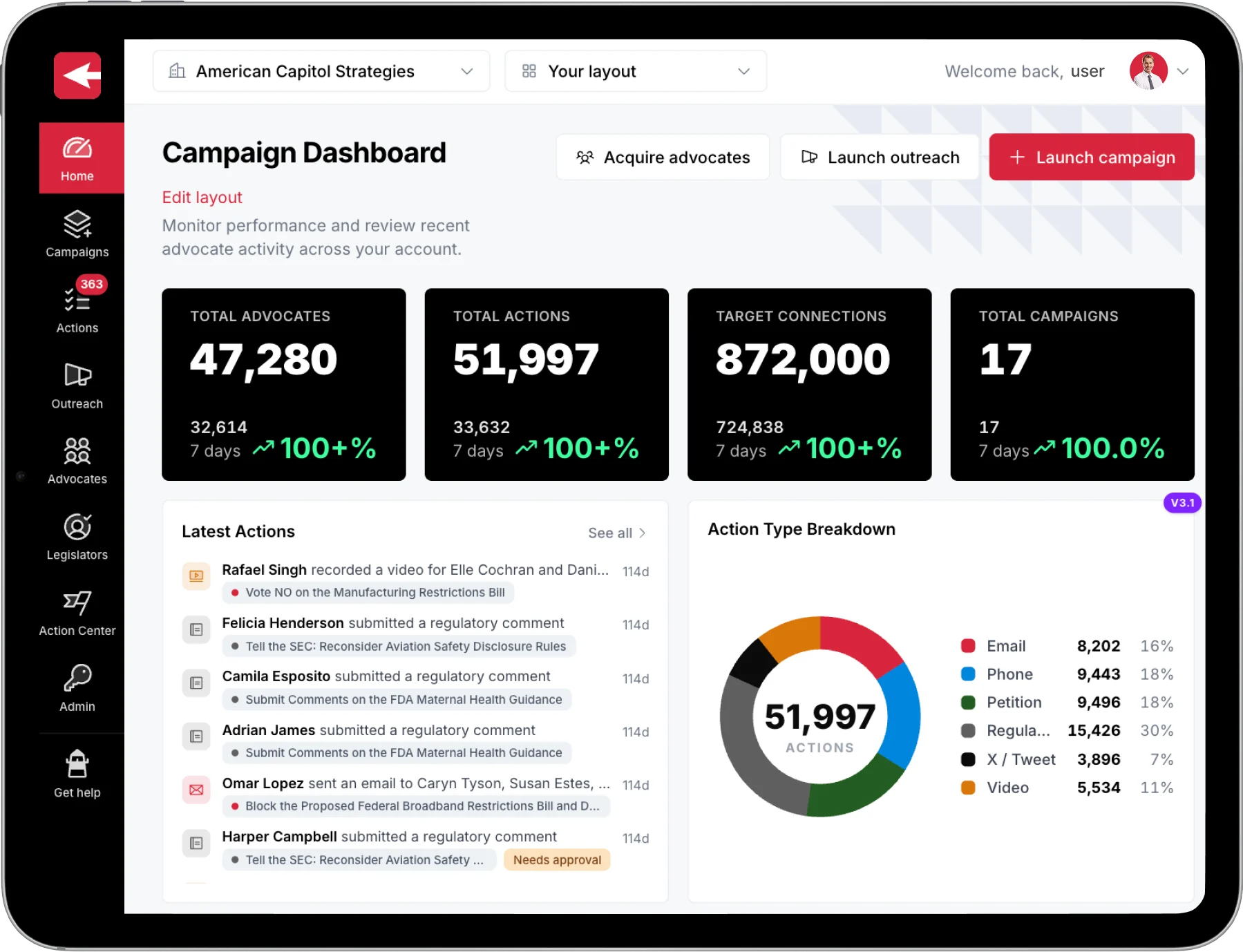











The Evolution of Lobbying: Embracing Digital Solutions for Greater Impact

Lobbying has long played a central role in shaping public policy, influencing decisions, and advocating for legislative priorities. At its core, lobbying isn’t just about knocking on doors in government buildings; it’s about representing interests, navigating complexities, and making a tangible impact on the issues that matter most. However, the pace of change in today’s society means traditional methods of lobbying must evolve, especially with the rise of technology. This shift toward digital solutions has opened the door to more efficient, scalable, and data-driven lobbying practices.
As organizations adapt to this modern reality, digital tools such as lobbying software and platforms for digital advocacy are fast becoming essential for driving greater impact in an increasingly digital-first world. Not only do these tools streamline processes, but they also empower advocacy groups, corporations, and associations to leverage the power of data and automation while reducing the logistical challenges associated with traditional methods. For those willing to embrace digital solutions, the future of lobbying is filled with unprecedented opportunities.
The Changing Landscape of Lobbying
For decades, lobbying efforts revolved around face-to-face meetings, physical correspondence, and manual data tracking. These methods, while effective for their time, were labor-intensive, slow, and often lacked the precision of modern digital tools. Stakeholder data was stored in filing cabinets or spreadsheets, outreach campaigns were mailed in bulk, and the ability to measure success often boiled down to anecdotal evidence rather than hard metrics.
Fast-forward to today, and the landscape has transformed. Technological advancements have made it possible to gather, analyze, and act on data with remarkable efficiency, allowing advocacy groups and lobbying efforts to scale their operations while reducing the administrative burden. Digital platforms have introduced a level of speed, accuracy, and flexibility that was once unattainable. In an era where policymakers and stakeholders are just as plugged into digital communication channels as the general public, leveraging data-driven tools is no longer an option; it’s a necessity.
The Importance of Digital Solutions in Modern Lobbying
Technology has provided lobbyists with powerful tools that redefine how advocacy campaigns are managed, executed, and measured. Lobbying software specifically plays a key role in helping organizations centralize important data, streamline workflows, and organize campaigns more effectively. Here’s why digital advocacy isn’t just a convenience, it’s vital for staying competitive in today’s policy-driven environment:
- Efficient Communication: Digital tools simplify the process of staying connected with policymakers and stakeholders. Emails, social media platforms, and virtual meeting tools ensure that messages are delivered efficiently, increasing reach and visibility without unnecessary delays.
- Enhanced Data Collection and Analysis: Tracking legislation, monitoring stakeholder sentiment, and analyzing advocacy outcomes is far simpler with digital platforms. Organizations can use comprehensive data sets to identify trends, tailor their messaging, and refine their strategies for optimal results.
- Automation and Time Management: Managing multiple campaigns simultaneously requires significant coordination; digital solutions automate repetitive tasks, freeing up teams to focus on high-priority work. From automating email outreach to streamlining reporting, technology provides the tools for doing more with less effort.
These solutions enable organizations to not only achieve their goals faster but also refine their strategies through a process driven by data and measurable outcomes. No longer are lobbying efforts beholden to manual processes and guesswork; modern tools provide clarity and actionable insights throughout every stage of the advocacy journey.
Key Features of Modern Lobbying Software
At the heart of digital advocacy lies lobbying software, designed to support organizations in making their efforts more effective and impactful. While there are many variations of lobbying tools on the market, certain key features define those that provide the greatest benefits:
- Centralized Data Management: Managing legislative updates, stakeholder data, and campaign information is far easier when everything is housed in one platform. Centralized software allows teams to stay organized and access the data they need, when they need it.
- Targeted Outreach Tools: The ability to create customized campaigns, send personalized emails, and connect across multiple communication channels is critical for successful lobbying. Modern software integrates these outreach tools, making communication seamless.
- Real-Time Analytics: Measuring the success of lobbying campaigns in real time is critical for making adjustments and optimizing efforts. Platforms that provide detailed analytics empower organizations to focus their resources where they’ll have the most impact.
- Integration with Existing Tools: Many organizations already use various systems and software to manage their operations. Lobbying software designed to integrate with CRMs and workflow management tools ensures smooth adoption with minimal disruption.
These features translate into measurable benefits that are transforming the way advocacy is done today.
Benefits of Transitioning to Digital Advocacy
The shift to digital advocacy isn’t just about convenience; it’s about measurable improvement across every aspect of the lobbying process. Here are some of the most significant benefits of adopting digital tools for lobbying:
- Streamlined Organization: Traditional methods of managing campaigns can be chaotic and prone to errors. With digital tools, campaigns are organized more effectively, and teams have access to the right information at the right time.
- Wider Reach: Digital platforms allow organizations to engage with stakeholders and policymakers across regions and demographics. Whether targeting local offices or national policymakers, tools for outreach amplify the reach of advocacy efforts.
- Actionable Insights: Data analytics transform the way organizations measure success and refine their strategies. Instead of relying on conjecture, digital platforms provide actionable insights based on reliable metrics.
- Cost Efficiency: Reducing the need for manual work and bulky campaigns allows advocacy groups to allocate resources more effectively, ultimately lowering overall costs without sacrificing results.
In an environment where precision and speed can make or break a campaign, digital advocacy tools offer unparalleled advantages, enabling organizations to succeed on a larger scale.
The Future of Lobbying with Technology
Looking ahead, the impact of technology on lobbying is set to expand even further. Here are some trends and innovations that are likely to shape digital advocacy in the years to come:
- AI-Powered Insights: Artificial intelligence will play a growing role in assessing legislative trends, predicting policy outcomes, and analyzing stakeholder sentiment. This will help organizations plan their efforts with even greater precision.
- Virtual Advocacy Tools: As remote work continues to gain prominence, virtual advocacy through digital town halls, live webinars, and virtual meetings will become integral to campaign strategies.
- Enhanced Integration: Lobbying software will further integrate with marketing, CRM, and project management tools, creating seamless workflows that enhance every aspect of the advocacy process.
The organizations that adapt early to these trends will be better positioned to maintain influence and achieve their goals in increasingly complex and data-driven environments.
How Organizations Can Begin Modernizing Lobbying Efforts
While the transition to digital advocacy may seem daunting, the process can be simplified by following a few strategic steps:
- Invest in Robust Lobbying Software: Choose platforms that align with your organization’s needs and offer the features that matter most: centralized data management, outreach tools, and analytics.
- Train Your Teams: Equip team members with the skills and resources needed to effectively leverage digital platforms. Comprehensive training ensures that tools are used to their full potential.
- Integrate Digital Tools Gradually: Start small by incorporating one or two key tools into your strategy, then expand as your team becomes comfortable with the software.
- Monitor Results and Evolve: Continuously track metrics and outcomes to identify areas for improvement. Refining your approach is crucial to long-term success in digital advocacy.
By taking these steps, organizations can position themselves as leaders in modern lobbying practices while improving the efficiency and reach of their campaigns.
Conclusion
Lobbying has always been about advocacy, influence, and representing the interests of stakeholders, but the methods by which it happens have transformed dramatically in recent years. The rise of digital advocacy and lobbying software has introduced new ways to organize, execute, and measure advocacy campaigns, making it possible to achieve greater impact in less time.
As organizations look to modernize their lobbying efforts, embracing digital tools isn’t just about staying relevant; it’s about creating opportunities for transformative growth and measurable success. By adopting efficient systems and strategies, advocacy groups, corporations, and associations can position themselves to navigate the challenges and opportunities of tomorrow’s political landscape. In today’s climate, success belongs to those willing to embrace the future.
As technology continues to evolve, so too must our strategies. Organizations that embrace these changes will define the future of effective lobbying.